Small Bedroom Layout Planner: Luxury Flow & Lighting
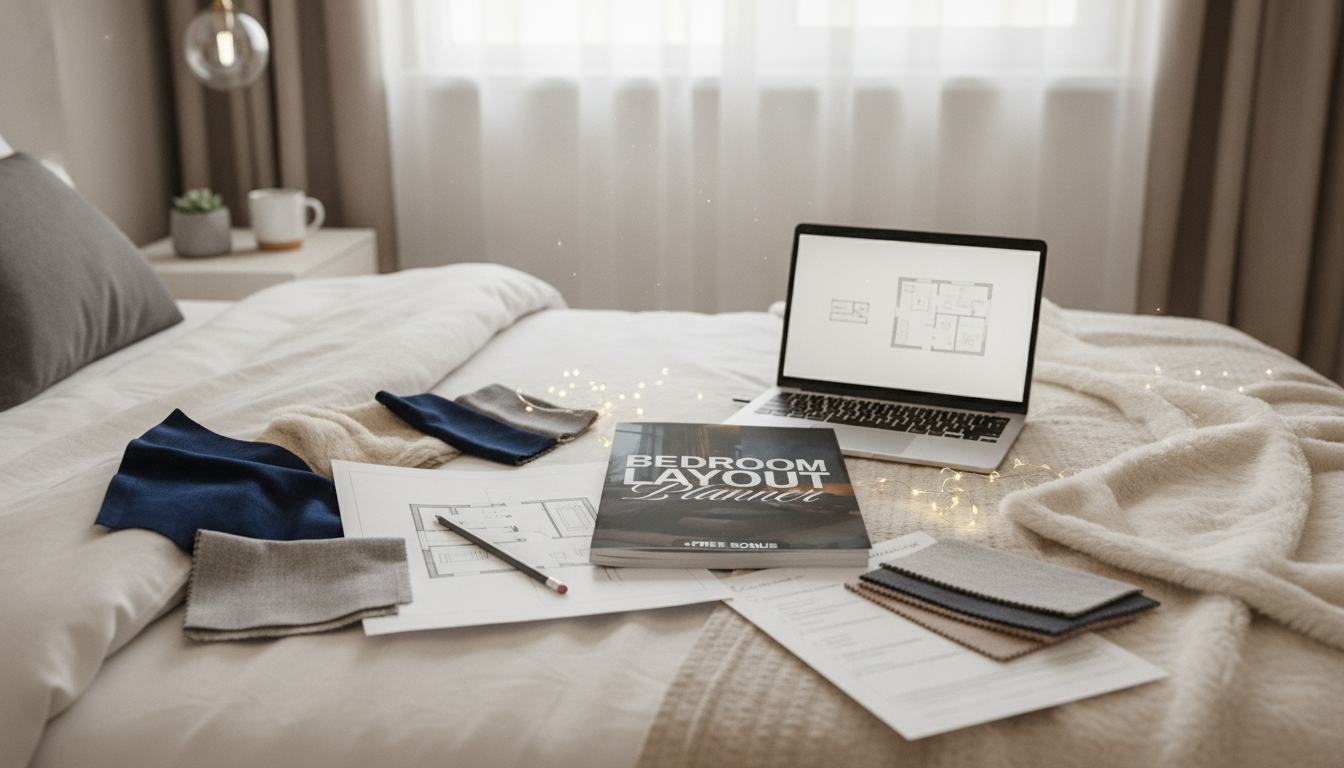
Bedroom Layout Planner Guide: Luxury Comfort in a Small Space
A luxury bedroom feels effortless: clear pathways, balanced furniture scale, layered lighting, and textures that look refined while staying comfortable. The fastest way to get there—especially in a smaller room—is to plan like a designer: measure precisely, protect everyday movement, and make every piece earn its footprint. Use the workflow below to move from “crowded and chaotic” to “calm and composed,” with optional AI-assisted layout ideas and a final checklist to keep decisions simple.
Start With the Room’s Non‑Negotiables
Before choosing furniture or lighting, lock in the facts of the room. Luxury reads as intentional—and intention starts with accurate constraints.
- Measure wall-to-wall dimensions and ceiling height, and note soffits, radiators, vents, and any sloped areas that affect tall furniture.
- Mark door swings, closet doors, and window operation so daily use never gets blocked by a nightstand corner or dresser drawer.
- Identify power locations (outlets, switches) and where lighting upgrades are feasible without rewiring.
- Choose the “quiet wall” for the bed: a wall that avoids direct drafts, harsh morning glare, and heavy traffic lines.
If you want a structured, repeatable system (plus printables), keep a copy of the Bedroom Layout Planner Guide (digital download eBook & checklist) on hand while you measure and test layouts.
Luxury Layout Rules That Make Small Bedrooms Feel Bigger
Small rooms can feel expensive when circulation is smooth and visual noise is low. Think “boutique hotel,” not “storage unit with a bed.”
- Keep primary walking paths clear: bed-to-door, bed-to-closet, and at least one side of the bed for easier making and cleaning.
- Prioritize negative space: one visually calm zone (often opposite the bed) prevents a crowded feel.
- Use symmetry only where it helps: matching nightstands/lamps can look high-end, but slim profiles often outperform bulky pairs in tight rooms.
- Reduce “furniture footprint” with wall-mounted lighting, floating nightstands, or a narrower dresser depth.
Quick Clearances for a Comfortable Bedroom Layout
| Element | Recommended clearance | Why it matters |
|---|---|---|
| Main walkway | 24–36 in (60–90 cm) | Comfortable daily movement; less bumping into corners |
| Side of bed (one accessible side minimum) | 24–30 in (60–75 cm) | Easier changing sheets; nightstand access |
| In front of drawers/closet | 30–36 in (75–90 cm) | Allows full opening without awkward shuffling |
| Foot of bed to wall/dresser | 24–36 in (60–90 cm) | Prevents a boxed-in feeling; improves circulation |
Choose Furniture Scale and Placement (Bed, Nightstands, Dresser, Seating)
In compact bedrooms, “luxury” usually comes from proportion—not size. Oversized furniture can be beautiful, but it has to leave breathing room.
- Anchor piece: select bed size based on real clearance needs, not only preference; a slightly smaller bed can unlock a dramatically calmer plan.
- Nightstands: match the bed height closely; luxury reads as “intentional alignment,” not mismatched tops.
- Dresser placement: avoid placing a tall dresser where it competes with the bed wall; keep the tallest mass on a secondary wall.
- Optional seating: if space is tight, choose one sculptural chair instead of a bench; keep legs visible to reduce visual weight.
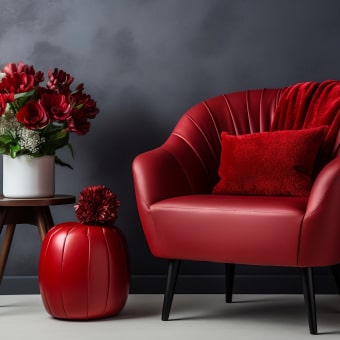
If your layout can spare a corner for a reading moment, a single statement chair can add the “suite” feeling without swallowing the room. The Nordic Rattan Leisure Single Sofa Chair works especially well when you want warmth (wood and rattan) with a lighter, elevated footprint.
Lighting That Feels Expensive: Layering, Warmth, and Control
- Build three layers: ambient (general), task (reading/dressing), and accent (art/texture).
- Aim for warm, calming color temperature in bedrooms (often 2700K–3000K) and add dimmers where possible. For lighting basics and efficiency tips, see ENERGY STAR’s light bulb guidance and the U.S. Department of Energy lighting overview.
- Use bedside wall sconces or pendants to free surface space and create a boutique-hotel look.
- Add a soft “arrival glow” (low-level lamp or LED strip in a safe channel) for nighttime navigation without harsh overhead light.
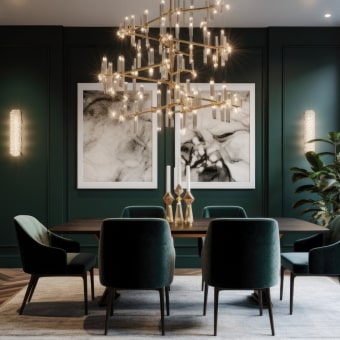
For a dramatic focal point (especially with higher ceilings), a sculptural chandelier can instantly elevate the room’s “designed” feeling. Consider the Elegant Art Deco-Inspired Crystal Branch Chandelier if you want statement sparkle with a refined, architectural silhouette.
Light affects sleep quality, too—keeping nighttime lighting warm and dim supports a calmer wind-down. The Sleep Foundation’s bedroom environment guidance is a helpful reference when choosing brightness and evening routines.
Textures and Materials: The Fastest Path to a Luxury Finish
AI‑Powered Planning: Turn Measurements Into Layout Options Faster
Checklist for a Finished, Calm Bedroom
Digital Download Planner: Layouts, Lighting, Texture Pairings, and Printables
If decision fatigue hits quickly, a guided system keeps momentum. The Bedroom Layout Planner Guide (digital download eBook & checklist) is designed to move from measurements to a complete room plan without second-guessing.
FAQ
What is the best bed placement for a small bedroom?
Place the headboard on the “quiet wall” whenever possible and protect clear access to at least one side of the bed. Confirm the bed doesn’t interfere with door/closet swings and that you can maintain comfortable pathways from the bed to the door and closet; if windows or doors limit options, prioritize whichever placement preserves movement and reduces glare.
How can lighting make a bedroom feel more luxurious?
Layer ambient, task, and accent lighting so the room can shift from bright and functional to soft and relaxing. Warm bulbs (often 2700K–3000K), dimmers, and bedside sconces or pendants create a boutique-hotel feel and avoid the flat look of overhead-only lighting.
How does AI help with bedroom layout planning?
AI can quickly generate multiple layout options from your measurements and furniture dimensions, making it easier to compare clearances and spot conflicts like door swings or oversized pieces. Always validate suggestions against real measurements and opening radii for drawers and doors.











Leave a comment