Cleaner 8K Aerial Shots: 5G GPS Dual-Camera Drone Guide
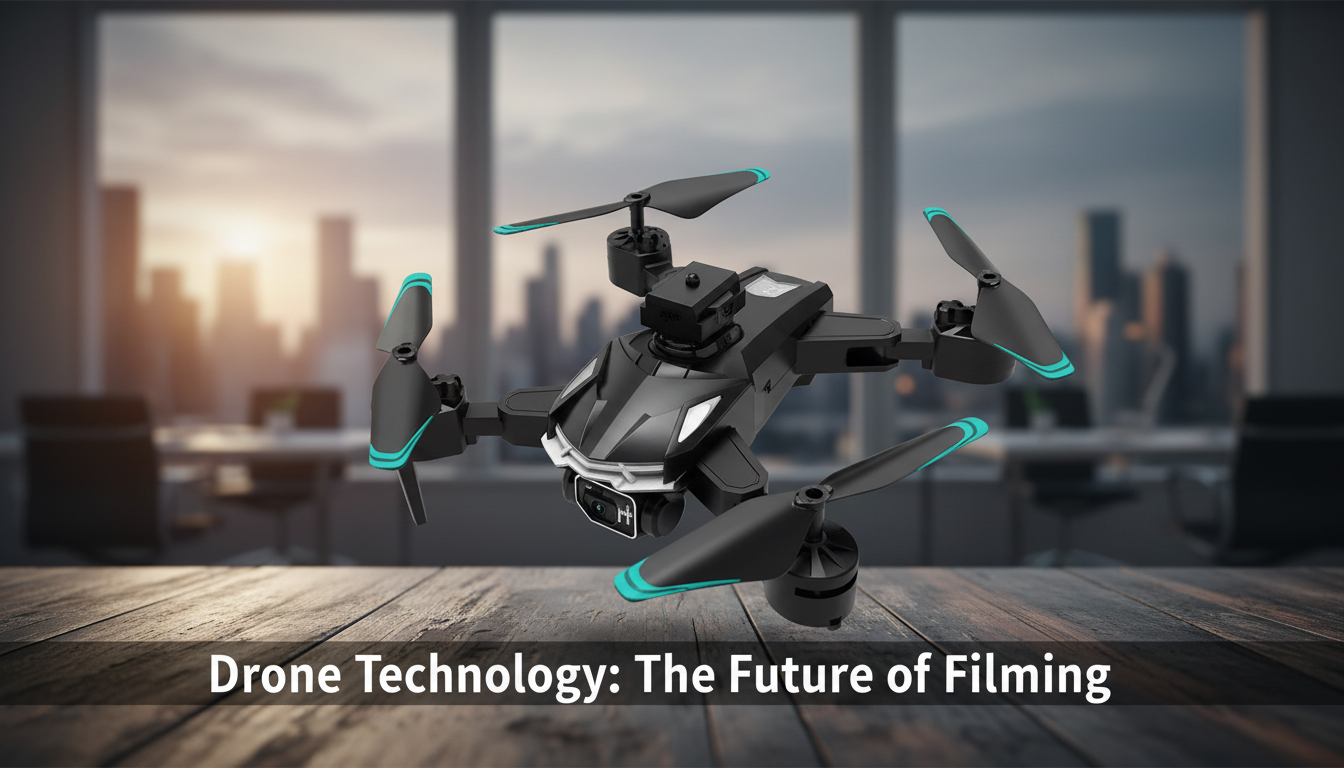
8K 5G GPS Dual-Camera Professional Drone for Aerial Photography: A Practical Guide to Cleaner, More Repeatable Shots
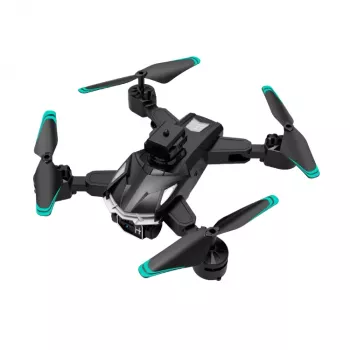
A dual-camera GPS drone can simplify aerial shooting by pairing stable positioning with flexible framing options. This model is built around an 8K-capable camera system (as listed), 5G WiFi image transmission, and GPS-assisted flight features aimed at capturing smoother, more repeatable aerial photos and video. For weekend landscape flights, property overviews, and travel footage in open areas, the real advantage is efficiency: less time fighting drift and guesswork, more time lining up deliberate compositions.
What stands out at a glance
- Dual-camera setup for switching perspectives without landing (use cases depend on the included lenses/sensors).
- GPS-assisted flight functions that support steadier hovering and easier navigation in open areas.
- 8K imaging capability (per product title) for high-resolution capture when lighting and settings allow.
- 5G WiFi transmission for live view and framing at typical consumer-drone distances (range depends on conditions).
- Best results come from calm weather, clear GPS lock, and planned flight paths.
Dual-camera workflow for aerial photography
A two-camera drone can speed up how you cover a location. Instead of landing to change your approach, you can capture a “wide-to-detail” sequence while the scene (and light) stays consistent.
- Use the wider view to establish the scene, then switch to the alternate camera for detail shots (e.g., architecture features, shoreline textures, rooflines).
- Plan shots as “pairs”: one establishing angle + one detail angle to create more complete coverage of a location.
- Keep exposure consistent when switching viewpoints: lock exposure when possible to avoid visible jumps between clips.
- For stills, capture bursts from both cameras at key waypoints to increase the odds of a sharp frame when the drone is moving.
- Avoid rapid yaw spins during camera switches; slow, deliberate movements reduce motion blur and rolling-shutter artifacts.
If the goal is social-ready clips, a simple pattern works well: rise to a clean altitude for the establishing shot, pause for a stable hover, then switch cameras and move forward slowly for a detail pass. That rhythm tends to look intentional even without heavy editing.
GPS-assisted flight features that help keep shots steady
GPS doesn’t replace pilot skill, but it can make the baseline flight behavior more predictable—especially for hovering, straight passes, and re-framing.
- Wait for a strong GPS lock before takeoff to improve hover stability and reduce drift.
- Use GPS positioning to repeat passes: fly the same line twice to get both a “safe” and “creative” version of the shot.
- Practice gentle stick inputs; smooth acceleration and deceleration typically look more cinematic than fast corrections.
- Choose open areas for GPS performance and safer recovery if orientation is lost.
- If the drone supports return-to-home, confirm the home point and set a safe return altitude before flying over obstacles.
A good habit for cleaner footage is to “stage” the shot first: get to altitude, let the drone settle into a stable hover, start recording, then begin motion. That short pause at the front saves clips that would otherwise start with visible correction.
8K capture: when it helps and what to watch for
8K can be a real advantage when you want flexibility in post—cropping a wide aerial view into a tighter composition, or stabilizing without sacrificing as much detail. The tradeoff is that higher-resolution capture is less forgiving of poor light, aggressive motion, or limited storage.
- Higher resolution can allow cropping and reframing in editing without losing as much detail (especially useful for wide aerial establishing shots).
- 8K demands good light: shoot in daylight or golden hour to keep noise down and preserve fine textures.
- Use slower, smoother flight when recording at higher resolutions to reduce compression artifacts and motion blur.
- Check available storage and file sizes; higher-resolution video can fill cards quickly.
- If footage looks choppy, consider lowering resolution or frame rate to match the device and editing workflow.
5G WiFi live view and control considerations
Setup checklist before the first flight
Quick spec-and-buying reference
| Item | Details |
|---|---|
| Product | 8K 5G GPS Dual-Camera Professional Drone for Aerial Photography |
| Price | 162.51 USD |
| Availability | In stock |
| Primary strengths | GPS-assisted flight, dual-camera flexibility, high-resolution capture (as listed) |
| Best for | Landscapes, property overviews, outdoor travel shots in open areas |
Related in-stock picks for your shooting setup
- 8K 5G GPS Dual-Camera Professional Drone for Aerial Photography for capturing overhead stills and video with flexible viewpoints.
- Living Room Outdoor Family Shelter Tent as a comfortable base for outdoor shoots, shade, and gear organization between flights.
- Nordic Rattan Leisure Single Sofa Chair – Solid Wood, Modern Fabric Design for a dedicated corner to review footage, charge batteries, and plan your next flight path.
Safety and responsible flying basics
For U.S. guidance and planning tools, review the FAA’s recreational drone safety rules at faa.gov and check airspace with B4UFLY. For general background on wireless device compliance, the FCC’s Equipment Authorization resources can be helpful.
FAQ
Does a GPS drone automatically return if the signal drops?
Return-to-home behavior depends on the drone’s specific features and how it’s set up. If supported, it typically requires a confirmed home point and an appropriate return altitude, and it can be affected by weak GPS, obstacles, or low battery.
What’s the practical benefit of having two cameras on a drone?
Two cameras can speed up shot variety without landing—mixing wide establishing views with tighter detail shots to improve coverage and storytelling. Switching viewpoints at the same location and lighting can also make edits feel more cohesive.
Is 8K always the best choice for aerial video?
No—8K is great for daylight detail and cropping flexibility, but it increases storage needs and can be harder on phones and editing systems. Lowering resolution can be smoother for longer flights, faster turnarounds, or situations with less-than-ideal light.













Leave a comment