New Kitten Feeding Plan: Portions, Schedule & Switches
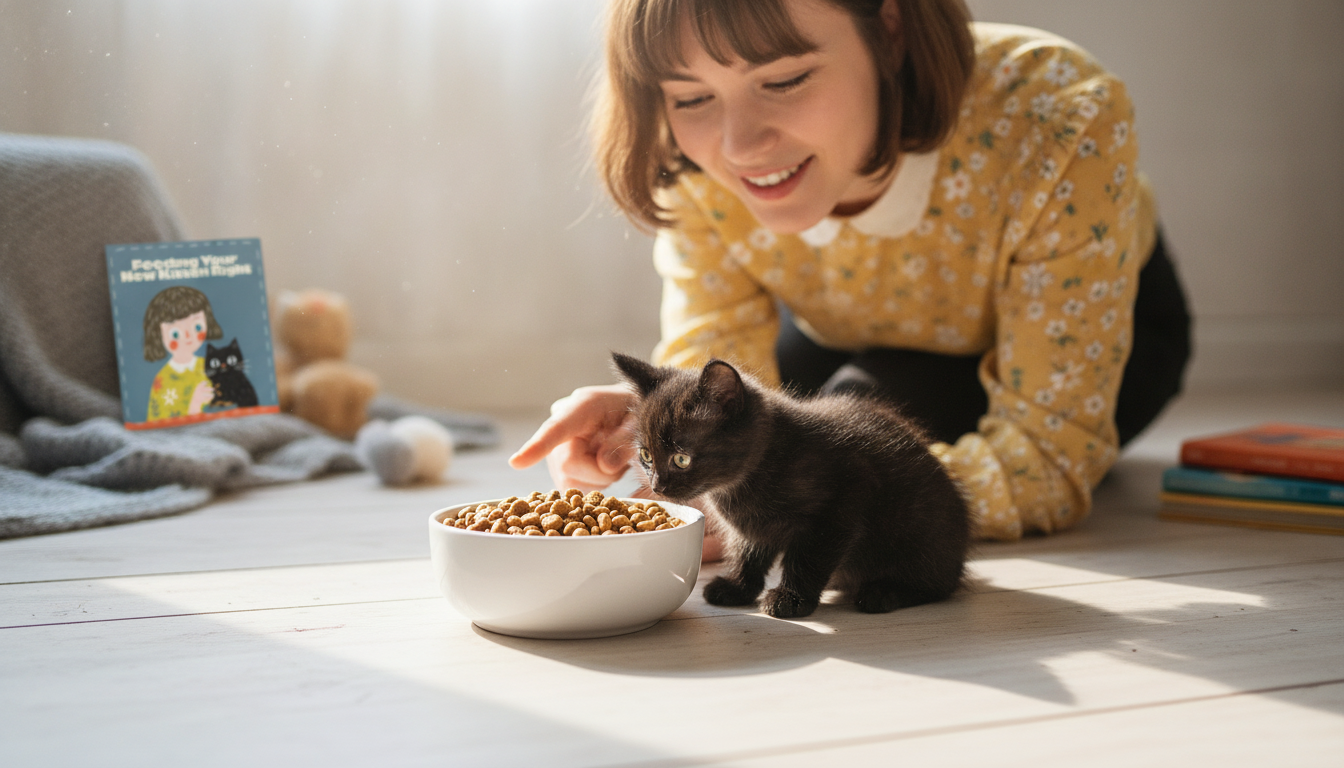
Feeding Your New Kitten Right: A Simple Plan for Healthy Growth and Happy Mealtimes
A new kitten’s first months set the foundation for lifelong health. The right food, portion sizes, and feeding routine can prevent tummy troubles, support steady growth, and make mealtimes calmer. This guide breaks down what to feed, how often to feed, and how to switch foods safely—plus common pitfalls to avoid.
What Makes Kitten Nutrition Different
Kittens aren’t just “small cats.” They’re growing fast, which means they need more calories per pound than adult cats and a diet built specifically for development. A quality kitten diet focuses on:
- High-quality animal protein to support muscle and organ growth.
- Fat for energy to fuel play, learning, and rapid development.
- Balanced calcium and phosphorus for strong bones and teeth.
- DHA (an omega-3 fatty acid) to support brain and vision development.
Look for foods labeled “complete and balanced” for growth or all life stages, not adult-only “maintenance” formulas. Because kittens’ digestive systems can be sensitive during this rapid growth phase, consistency matters—frequent meals and gradual food changes help reduce stomach upset.
What Food to Start a New Kitten On
If you know what your kitten was eating before coming home, start there. Keeping the same brand and formula for the first 7–10 days can reduce stress-related digestive issues while your kitten settles in.
After the adjustment period (or right away if you must choose a new diet), pick a reputable kitten food with a clear nutritional adequacy statement. Wet food, dry food, or a mix can all work—what matters most is that the food is complete and balanced for growth and fits your kitten’s preferences and your routine.
Avoid common missteps early on: cow’s milk (often causes diarrhea), raw diets without veterinary guidance, and homemade diets unless a veterinary nutritionist has formulated them for kittens.
Quick starter guide to kitten food formats
| Food type | Why it helps | Watch-outs |
|---|---|---|
| Wet (canned/pouches) | Hydration support; usually very palatable; easy to portion for frequent meals | Spoils quickly; higher cost per calorie; dental benefits are often overstated |
| Dry (kibble) | Convenient; easy to measure; can work well with puzzle feeders | Lower moisture; free-feeding can lead to overeating; kittens may crunch less than expected |
| Mixed feeding | Balances convenience and hydration; keeps variety without constant switching | Keep total daily calories consistent; introduce changes gradually |
How Much to Feed: Portions Without Guesswork
Start with the feeding guide on the label as your baseline, then adjust based on age, activity level, and body condition. A healthy kitten typically has ribs you can easily feel (but not see sharply), a visible waist from above, and steady weight gain without becoming round or pot-bellied.
Feeding Schedule by Age
Example feeding rhythm (adjust to your veterinarian’s advice and the food label)
| Kitten age | Meals per day | Practical tips |
|---|---|---|
| 8–12 weeks | 4 | Use smaller portions each meal; warm wet food slightly to boost aroma; keep a calm feeding spot |
| 3–6 months | 3 | Introduce puzzle feeders for enrichment; keep a consistent routine |
| 6–12 months | 2 | Transition toward adult patterns while monitoring body condition; avoid sudden calorie drops |
Safe Food Transitions and Common Tummy Issues
Simple 7–10 day transition outline
| Days | Old food | New food |
|---|---|---|
| 1–3 | 75% | 25% |
| 4–6 | 50% | 50% |
| 7–9 | 25% | 75% |
| 10+ | 0% | 100% |
Must-Avoid Foods and Feeding Mistakes
For a detailed list of risky people foods, consult the ASPCA Animal Poison Control guidance.
Choosing a Kitten Food: What to Look for on the Label
If you’re considering boutique, exotic-protein, or grain-free options, discuss it with your veterinarian to ensure the overall nutrient balance fits a growing kitten. Helpful nutrition references include the American Animal Hospital Association (AAHA) life stage nutrition resources and the WSAVA Global Nutrition Guidelines.
Label checklist for a strong starting choice
| Checklist item | Why it matters |
|---|---|
| Complete and balanced for growth/all life stages | Supports development without requiring supplements |
| Clear feeding directions by weight/age | Helps prevent under- or overfeeding |
| Named animal protein sources | Better aligns with feline nutritional needs |
| Company transparency and support | Improves reliability if questions or issues arise |
A Practical Next Step for Confident Feeding
For a step-by-step plan that covers picking a starter food, portioning, schedules, and smooth transitions, use a structured guide designed for first-time kitten parents: Feeding Your New Kitten Right: Essential Kitten Nutrition eBook.
Pair any feeding plan with a vet check in the first week to confirm weight, discuss parasite prevention, and make sure growth is on track. If you’re setting up a dedicated feeding corner, a comfortable seat nearby can make routine meals and monitoring easier, such as the Nordic Rattan Leisure Single Sofa Chair – Solid Wood, Modern Fabric Design.
FAQ
What food should a new kitten start eating?
Start with the same food your kitten was already eating when possible, then choose a complete and balanced formula labeled for growth or all life stages. Wet, dry, or mixed feeding can work; avoid cow’s milk and unbalanced homemade diets.
How often should a kitten eat each day?
Most kittens do well with about 4 meals/day at 8–12 weeks, about 3 meals/day at 3–6 months, and often 2 meals/day by 6–12 months. Adjust portions to maintain steady growth and a healthy body condition.
How do you switch kitten food without causing diarrhea?
Transition gradually over 7–10 days by mixing increasing amounts of the new food into the old. Monitor stool and appetite, and contact a veterinarian if diarrhea is persistent or severe, or if there’s vomiting, lethargy, or signs of dehydration.















Leave a comment