Modern Etiquette: Texting, Social Media & RSVP Scripts
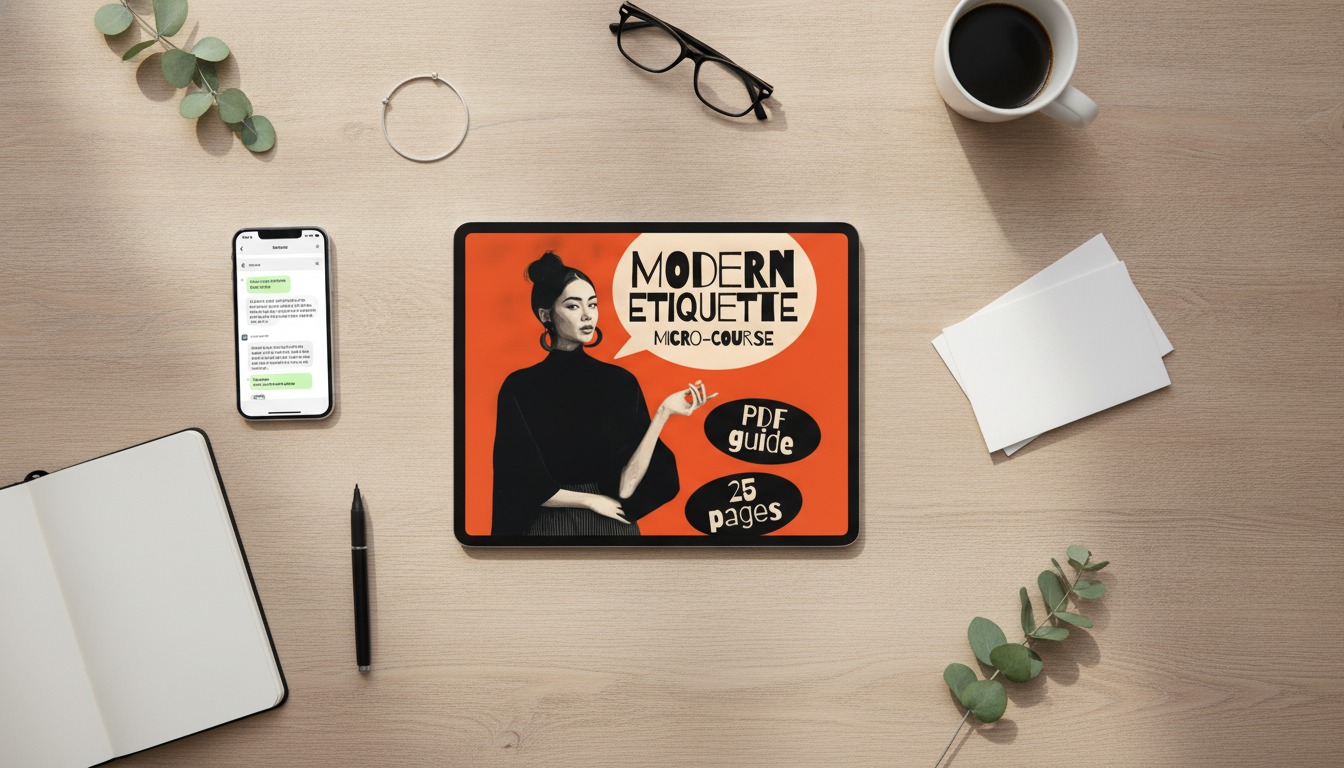
Modern Etiquette Micro‑Course for Everyday Moments: Texting, Social Media, RSVPs, and Polite Follow‑Through
Modern manners are less about rigid rules and more about clarity, kindness, and good timing—especially when communication happens through screens. This micro‑course printable guide organizes today’s most common etiquette moments (texts, DMs, comments, invites, and everyday interactions) into simple habits that reduce awkwardness and help relationships run smoother.
What “modern etiquette” looks like now
Etiquette today is practical: it protects people’s time, attention, and boundaries while keeping relationships warm. Instead of guessing what someone “meant,” modern manners make expectations easier to read and easier to respect.
- Respect for time: quick acknowledgments, realistic ETAs, and timely RSVPs.
- Respect for attention: concise messages, fewer pings, and thoughtful group-chat habits.
- Respect for boundaries: asking before tagging, avoiding oversharing, and accepting “no” gracefully.
- Consistency across channels: the same courtesy online should show up face-to-face.
If you want a structured way to practice these habits, the Modern Etiquette Micro‑Course (Printable Digital Guide) keeps common situations and ready-to-use scripts in one place.
Texting etiquette that prevents misunderstandings
Texting is fast, but it’s also easy to misread. The goal isn’t constant availability—it’s minimizing confusion with small signals that show care.
- Response timing: reply when feasible, and acknowledge when a full response will take longer (especially for plans or sensitive topics).
- Tone and clarity: avoid vague one‑word replies when someone is asking for a decision; add context when needed.
- Double texting and follow‑ups: one gentle follow‑up is usually enough; escalate to a call only when time‑sensitive.
- Group chats: avoid side conversations that exclude others; summarize decisions; use reactions instead of flooding the thread.
- Voice notes and calls: ask first before sending long voice messages; call only when it’s urgent or previously agreed.
Quick fixes for common texting moments
| Situation | What to do | What to avoid |
|---|---|---|
| Late reply | Send a short acknowledgment and a realistic time you can respond | Disappearing after reading |
| Making plans | Offer 2–3 options and confirm the final details | “Maybe” without a next step |
| Sensitive feedback | Move to a call or in‑person if nuance matters | Debating via rapid-fire texts |
| Group decision | Recap who/what/when and confirm | Assuming everyone saw every message |
| Boundaries | State limits kindly and clearly | Passive-aggressive silence |
Social media etiquette: posting, tagging, and commenting with care
Social platforms make it easy to share, but they also blur lines between public and private. A helpful rule: post as if the wrong person could see it—because sometimes they can.
- Tagging and sharing: ask before tagging someone in unflattering photos, personal milestones, or location-based posts.
- Commenting: keep feedback kind and relevant; avoid correcting publicly when a private note would do.
- DM etiquette: open with context; don’t drop links or requests without a greeting and a clear reason.
- Stories and close friends: treat “limited audience” as still shareable—post only what would be acceptable if it traveled.
- Conflict and call-outs: pause before replying; choose private resolution when possible; avoid pile-ons.
For more general guidance on contemporary manners, the Emily Post Institute is a trusted reference point, especially when you’re trying to choose between “say something” and “say it privately.”
RSVPs and invitations: the politest way to confirm, decline, and follow through
Invitations aren’t just calendar items; they’re planning tools. Hosts are budgeting time, money, seating, and energy, so timely communication is a form of respect.
- RSVP promptly once a decision is made; if uncertain, communicate the uncertainty with a deadline.
- Declining: thank the host, give a brief reason (optional), and avoid over-explaining.
- Plus-ones and guests: follow the invitation as written; ask before bringing someone not listed.
- Changes and cancellations: notify the host as soon as plans change, and offer a simple apology.
- After the event: send a thank-you message and mention a specific highlight to make it sincere.
Everyday politeness that still matters (and feels natural)
Politeness works best when it’s small, consistent, and believable—not theatrical. These basics reduce friction in shared spaces and shared schedules.
Digital communication can intensify misunderstandings because tone and intent are easier to miss; the APA’s relationships resource hub offers helpful context on how communication affects connection. For a snapshot of how widespread social sharing is across the U.S., the Pew Research Center social media fact sheet is a useful overview.
How the micro‑course format makes etiquette easy to use
For hosting and get-togethers, the environment can support good manners too: a comfortable conversation corner like the Nordic Rattan Leisure Single Sofa Chair encourages relaxed, attentive conversation, and a dining focal point like the Elegant Art Deco-Inspired Crystal Branch Chandelier can make meals feel more intentional. For outdoor invites, the Living Room Outdoor Family Shelter Tent helps create a defined space where guests know where to gather.
A simple 7‑day etiquette refresh plan
FAQ
What’s the polite amount of time to respond to a text or DM?
Same day is a solid norm when possible, but work hours, time zones, and message complexity matter. If a full reply will take longer, send a quick acknowledgment with a realistic window for responding.
How should an RSVP be handled when plans are uncertain?
Tell the host early that you’re unsure and give a specific date you’ll confirm by. If it’s still uncertain as that date approaches, it’s usually kinder to decline than to risk a last-minute change that disrupts planning.
Is it okay to tag friends and coworkers in social media photos without asking?
It’s best to ask first in sensitive contexts—work-related posts, kids, location tags, unflattering photos, or personal milestones. When in doubt, share privately and let the other person choose whether to post or tag.















Leave a comment