Dresser Styling Rules: Fast Checklist for Calm Rooms
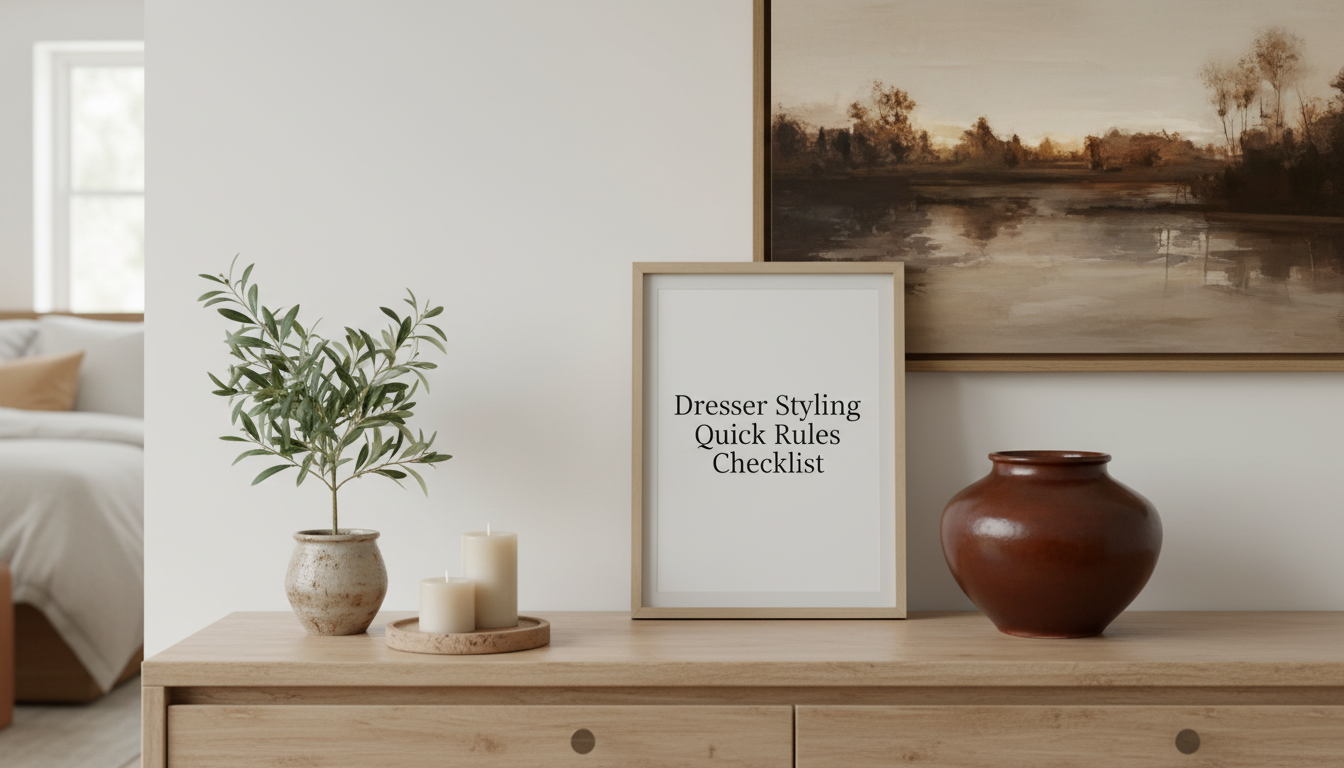
Dresser Styling Quick Rules Checklist: A Calm, Repeatable Setup for Minimalist, Modern & Bohemian Rooms
A dresser top works best when it balances function and atmosphere: a few essentials within reach, a clear focal point, and enough breathing room to feel calm. This guide breaks dresser styling into quick rules you can follow in minutes, then repeat from room to room—bedroom, entry, living area, or guest space—without overthinking. For more guidance, see How to Organize Dresser Drawers – Polished Habitat.
Start With a Clean Surface and a Clear Purpose
Before you place a single object, reset the scene. Empty the top completely, wipe it down, and remove anything that doesn’t belong (mail piles, loose cords, random toiletries). That “blank slate” moment is where a calm setup starts.
Next, pick one primary purpose:
- Daily-ready station: practical items come first, décor stays minimal.
- Display-only moment: purely decorative with generous negative space.
- Mixed use: display + one small landing zone for real life.
Choose a clear no-clutter boundary: one tray or bowl for small items, and everything else lives in drawers or elsewhere. Finally, decide whether the dresser is a focal point (more decorative) or a supporting piece (more minimal). That single decision determines how bold your “anchor” should be.
The Quick Rules Checklist (Use These Every Time)
These are the fast, repeatable rules that keep a dresser top looking intentional—whether your style leans minimalist, modern, or bohemian.
- Anchor first: place one tall or visually strong item (mirror, framed art, lamp, or vase).
- Rule of three: group objects in 3s (or 5s) so it feels curated, not scattered.
- Height steps: include at least two heights (tall + medium/low) for movement.
- Texture mix: combine at least two materials (wood, ceramic, glass, metal, woven) for depth.
- Negative space: leave 30–50% of the surface open for a calmer, modern look.
- Contain the small stuff: use a tray to keep keys, jewelry, remotes, or fragrance together.
- One “life” element: add a plant, branches, or flowers (fresh or dried) to soften hard lines.
Quick Rules at a Glance
| Rule | What it does | Fast example |
|---|---|---|
| Anchor first | Creates a focal point | Lean a round mirror behind a lamp |
| Group in 3s | Looks curated, not scattered | Candle + small vase + book stack |
| Height steps | Adds visual rhythm | Tall lamp + medium frame + low bowl |
| Texture mix | Prevents flat styling | Ceramic vase on wood tray with brass dish |
| Negative space | Keeps it airy | Style one side; leave the other open |
| Contain clutter | Makes essentials feel neat | Catchall tray for keys and jewelry |
| Add a natural element | Brings warmth and softness | Small plant or dried stems |
Pick a Layout That Fits the Room
Use the room’s traffic flow and how you use the dresser to choose a layout—then apply the checklist above.
- Symmetrical: two matching lamps (or similar-height objects) on both sides with art centered. Best for calm, minimalist bedrooms.
- Asymmetrical: one tall anchor on one side with a grouped cluster on the other. Great for modern and bohemian spaces.
- Centered vignette: keep everything in the middle to preserve surface edges—helpful for narrow walkways or shared use.
- Corner-weighted: style one corner only; ideal when the dresser doubles as a drop zone and needs working space.
- Lean vs. hang: leaning art/mirrors feels relaxed and modern; hanging reads more formal and tidy.
Style Recipes by Interior Mood
Minimalist
Try one statement lamp + one framed print + one small catchall. Keep colors tonal (white, black, warm wood) and let negative space do the heavy lifting.
Modern
Use a sculptural vase + stacked books + one metal or glass accent. Prioritize clean lines and bold contrast, and keep the palette tight.
Bohemian
Layer frames, add a woven tray, include an organic-shaped vase, and finish with a plant. The key is mixing warm textures while keeping one clear focal point (usually the anchor).
Color guideline: choose a base (wood/neutral), one accent color, and one metal finish to reduce visual noise. Pattern guideline: if the room has busy textiles, keep the dresser top simpler; if the room is plain, add texture here for warmth.
Scale, Proportion, and the “Too Small” Trap
Most dresser styling feels “off” for one reason: pieces are undersized for the furniture’s visual weight.
Make It Practical: Everyday Function Without Visual Mess
Printable Checklist for Fast Restyling
Shop the Look (In Stock)
- Dresser Styling Quick Rules Checklist (Printable Digital Download)
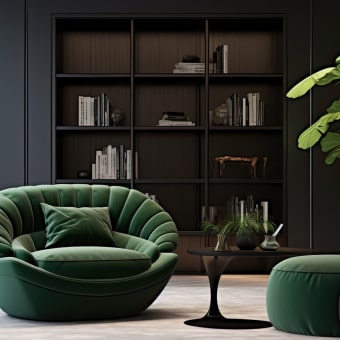
- Nordic Rattan Leisure Single Sofa Chair – Solid Wood, Modern Fabric Design
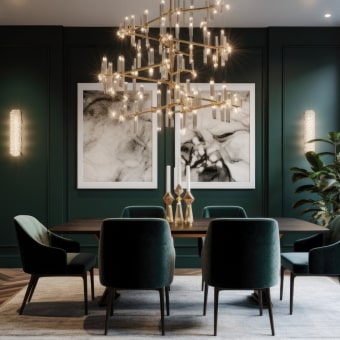
- Elegant Art Deco-Inspired Crystal Branch Chandelier for Dining Room
Helpful References for Decorating Basics
For broader room styling fundamentals that pair well with these quick rules, see The Spruce’s home decorating basics, Architectural Digest’s interior design basics, and Apartment Therapy’s guides on surfaces and vignettes at ApartmentTherapy.com.
FAQ
How many items should be on top of a dresser?
For a minimalist look, aim for 3–7 items total, grouped in clusters with 30–50% of the surface left open. For a bohemian look, you can use more, but keep items contained in trays and groupings so it still reads intentional.
Should a mirror be centered over a dresser?
Centered mirrors work best for symmetrical, calming setups (especially in bedrooms). If you prefer an asymmetrical or more relaxed vibe, an offset or leaned mirror can look great—just balance it with a cluster on the opposite side so one side doesn’t feel visually heavier.
What should go on a dresser if it’s used every day?
Use a tray-based landing zone for daily items, add one light source (like a lamp), and include one decorative element such as a small vase or plant. Hide the tiny stuff in a lidded box and route cords behind the dresser to keep the surface looking clean.









Leave a comment