Child Car Seat Safety Checklist for Busy Parents
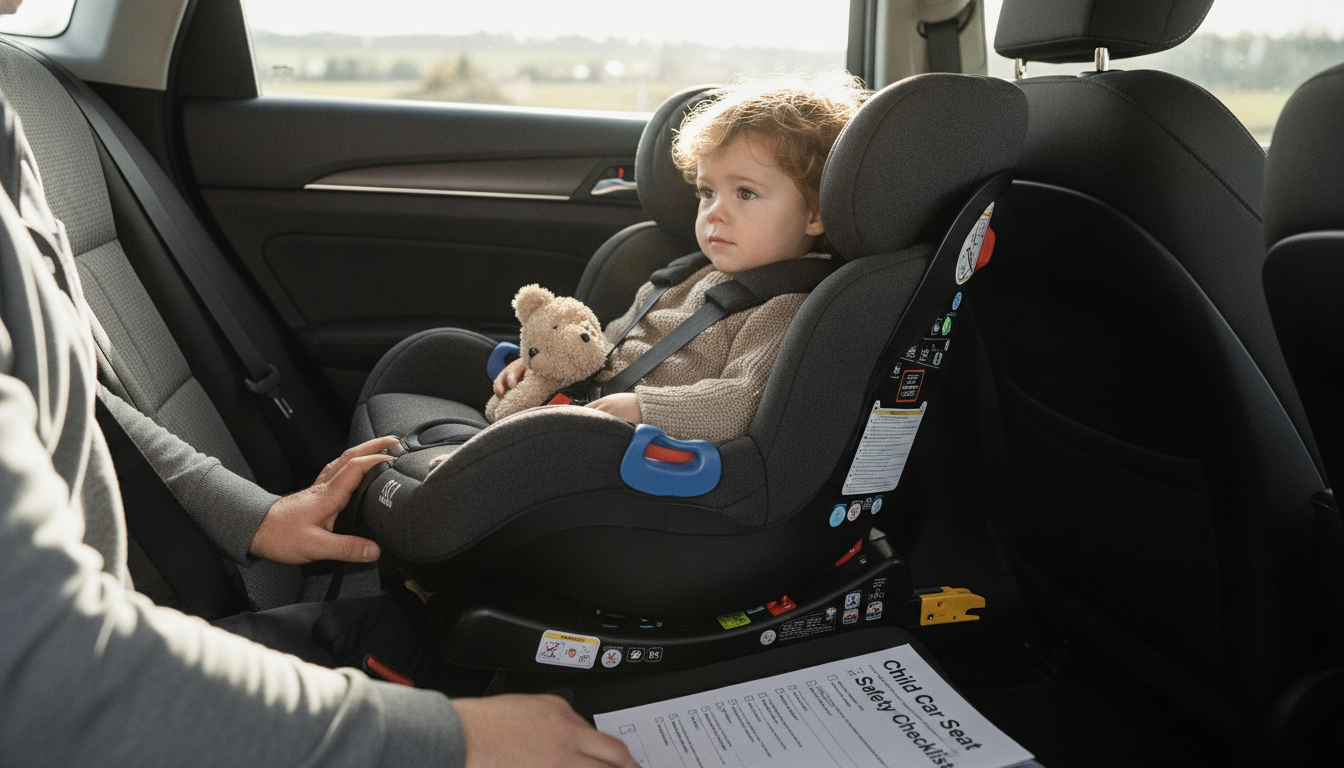
Buckle Up, Tiny Traveler: A Practical Child Car Seat Safety Guide for Busy Families
Car seat safety is one of those everyday tasks that feels simple—until a rushed handoff, a rental car, or a road trip adds pressure. The goal is consistency: the right seat, installed the right way, with a snug harness (or well-placed belt) every single ride. The tips below focus on the few checks that prevent the most common mistakes, plus a routine you can share across households and caregivers.
Start With the Non‑Negotiables
- Use a car seat that fits your child’s age, weight, height, and developmental needs; follow both the car seat manual and the vehicle manual.
- Register the car seat with the manufacturer so recall notices and safety updates reach you quickly.
- Avoid used seats with an unknown history, missing parts, expired labels, or any crash involvement.
- Install and buckle correctly every ride, even for short trips and even when your child is asleep.
If you ever feel unsure, a quick review of trusted references like NHTSA’s car seat guidance can help confirm you’re on the right track.
Choosing the Right Seating Mode (Rear‑Facing, Forward‑Facing, Booster)
The “right” mode is the one that matches your child’s current size and stage—while keeping them in each safer stage as long as the seat allows.
- Rear‑facing: Provides strong head, neck, and spine support. Keep children rear‑facing as long as the seat allows within its height/weight limits.
- Forward‑facing with a harness: Used after rear‑facing limits are outgrown. Keep the harnessed seat until your child reaches its maximum limits.
- Belt‑positioning booster: For kids who have outgrown harness limits and can sit properly the entire trip (no slouching, leaning, or unbuckling).
- Seat belt fit: Lap belt low on hips/thighs (not belly) and shoulder belt across shoulder/collarbone (not neck or behind the back).
Quick reference: common safety checks by stage
| Stage | Top priority | What to check every ride | Common slip-ups to avoid |
|---|---|---|---|
| Rear-facing | Limit head/neck forces | Harness at/below shoulders; snug harness; chest clip at armpit level; seat angle within indicator | Loose harness; bulky coats; incorrect recline |
| Forward-facing (harness) | Reduce forward movement | Harness at/above shoulders; top tether attached; snug harness; chest clip at armpit level | Skipping top tether; twisted straps; harness too loose |
| Booster | Position adult belt correctly | Lap belt low on hips; shoulder belt centered; child sits upright for whole ride | Shoulder belt behind back; slouching; moving belt under arm |
For family-friendly explanations of stages and transitions, the American Academy of Pediatrics is a reliable place to double-check norms and best practices.
Installation Basics That Prevent Most Mistakes
- Pick one method: Use either lower anchors (LATCH) or the vehicle seat belt—unless your manuals explicitly allow both together for that specific seat.
- Aim for a tight install: At the belt path, the seat should not move more than about 1 inch side-to-side or front-to-back when you give a firm tug.
- Use the top tether (forward‑facing): When available, it helps reduce head movement in a crash.
- Back seat placement: Use the back seat whenever possible; follow your vehicle guidance for center vs. outboard positions.
Two practical habits help a lot: (1) check tightness at the belt path (not the headrest area), and (2) re-check after any change—new vehicle, deep cleaning, or switching between rear- and forward-facing.
Harness Fit: The 60‑Second Buckle Check
- Skip bulky outerwear: Puffy coats can leave hidden slack. Use thin layers and add a blanket over the harness if needed.
- Straps flat and snug: No twists. Tighten until slack is removed; many caregivers use a “pinch check” at the collarbone area.
- Chest clip placement: Keep it at armpit level to help hold straps in the right spot on the shoulders.
- Recheck posture: If your child wiggles, relaxes, or falls asleep, a quick glance can confirm straps stayed snug and positioned correctly.
Travel Scenarios: Rentals, Rideshares, Flights, and Caregiver Hand‑Offs
For a broad overview of why correct restraint use matters (and how injuries are prevented), the CDC child passenger safety page offers helpful context for caregivers.
A Printable Routine That Helps Everyone Stay Consistent
Digital Download: Buckle Up, Tiny Traveler
For families who want a ready-to-use checklist format, Buckle Up, Tiny Traveler: Child Car Seat Safety Guide (Printable eBook Checklist) is designed for quick buckle checks, caregiver instructions, and travel prep reminders (rental cars, flights, and road trips). Instant digital access makes it easy to keep on a phone and print extra copies for shared custody or multi-caregiver households.
Planning a longer day on the road or an outdoor break between drives? The Living Room Outdoor Family Shelter Tent can be a handy add-on for rest stops or travel days when you want a contained, shaded space for snacks and regrouping before getting everyone buckled again.
FAQ
How tight should a car seat harness be?
The harness should be snug with no slack and the straps lying flat; you shouldn’t be able to pinch extra webbing at the collarbone area. Keep the chest clip at armpit level, and avoid bulky coats that can create hidden looseness.
Is it okay to use LATCH and the seat belt at the same time?
Usually no—most seats require choosing either LATCH or the seat belt for installation. Only use both together if both the car seat manual and the vehicle manual explicitly say that combination is allowed for your specific setup.
What should be checked after moving a car seat to a different vehicle?
Reinstall for a tight fit at the belt path (about 1 inch of movement or less), confirm the correct recline/angle, and verify tether anchor access for forward-facing seats. Then re-check harness height and snugness once your child is buckled in.
















Leave a comment