Calming Routines for Anxious Pets: Daily Stress Relief Plan
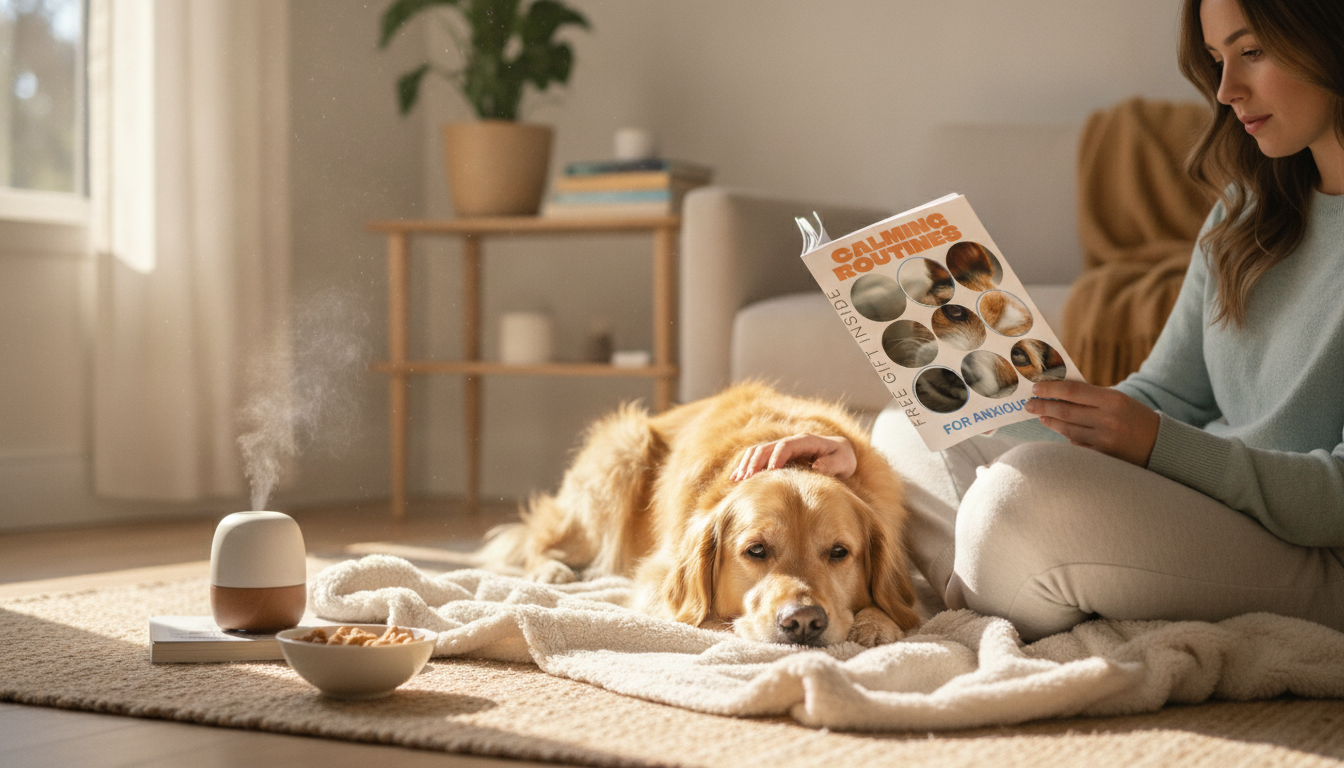
Calming Routines for Anxious Pets: A Practical Daily Plan for Stress Relief and Emotional Balance
Anxiety in pets often improves fastest when the day becomes predictable, needs are met in the right order, and calm behavior is consistently reinforced. A routine does not mean rigid scheduling; it means repeating a few simple anchors—sleep, movement, enrichment, quiet recovery, and safe separation practice—so the nervous system learns what comes next. The goal is fewer spikes, quicker recovery after triggers, and a steadier baseline mood over time.
What Anxiety Looks Like (and What It Isn’t)
Pet anxiety can show up in many everyday ways: pacing, panting when it isn’t hot, trembling, hiding, clinginess, vocalizing, destructive chewing or scratching, reduced appetite, over-grooming (especially in cats), and exaggerated startle responses. Triggers are often situational—being left alone, visitors, loud sounds, vet or grooming visits, car rides, household schedule changes, or new pets and babies.
Because discomfort can mimic “nerves,” consider a veterinary check when symptoms are new, sudden, or escalating. Pain, itchiness, gastrointestinal upset, cognitive decline, and medication side effects can all look like anxiety. A helpful progress marker is recovery time: rather than expecting “no reaction,” aim for your pet to settle back to baseline faster after a trigger.
Quick Routine Anchors by Situation
| Situation | Most helpful anchor | What to avoid | Success signal |
|---|---|---|---|
| Morning restlessness | 10–20 min sniff walk or gentle play, then breakfast puzzle | High-intensity play that ramps arousal | Settles into rest within 30–60 min |
| Noise sensitivity | Safe room + sound masking + chew/lick activity | Comforting with frantic energy or forcing exposure | Returns to baseline faster each week |
| Separation stress | Predictable pre-departure routine + short practice absences | Long emotional goodbyes/hellos | Can eat/settle during short departures |
| Visitor anxiety | Station/mat routine + controlled distance + treats | Letting guests approach/lean over pet | Chooses to disengage and relax on mat |
Build a Calm Baseline: Sleep, Nutrition, and Predictability
Start with the foundation: sleep. Many dogs need 12–14 hours a day, and many cats need 12–16+ hours. Protect uninterrupted rest by setting up a quiet zone and teaching household members the “no one bothers me here” rule.
Next, create predictable daily anchors. Keep the sequence stable even if exact times vary: wake up → bathroom/litter check → movement → food → rest windows → evening wind-down → bedtime. Nutrition routines can also reduce vigilance. Using slow feeders, puzzle toys, or scatter feeding shifts the brain from scanning for threats to foraging. Avoid sudden diet changes unless your veterinarian recommends them.
Finally, remove friction points in the environment: non-slip rugs for secure footing, easy access to water, and a covered bed or crate option (only if your pet enjoys it) can all lower background stress.
The Daily Calm Framework: Move → Think → Soothe → Rest
This simple flow works because it follows how many animals naturally regulate: first discharge mild energy, then engage the brain, then downshift, then recover.
- Move (low to moderate arousal): sniff walks, gentle tug with frequent pauses, controlled fetch, or wand play for cats. Keep sessions short and end while your pet is still calm.
- Think (confidence-building): easy cues, nose work, treat hunts, shredding boxes for cats, or safe cardboard “rip games” for dogs. Use tiny rewards and keep it light.
- Soothe (downshift tools): licking activities (LickiMat-style), safe chewing, calm music, dim lighting, warm bedding, or a slow massage if your pet enjoys touch.
- Rest (protected recovery): guide your pet to a predictable rest spot. Reinforce calm with quiet treat drops or soft praise.
Consistency beats intensity. Several 5–10 minute “calm reps” typically outperform one long session that risks pushing into over-arousal.
A Sample Day Routine (Adjustable for Dogs and Cats)
Morning: bathroom/litter check → sniffing or gentle play (5–20 minutes) → breakfast via puzzle or scatter → a 30–90 minute quiet rest window. If mornings are hard, prioritize sniffing over speed; sniffing is naturally regulating for many pets.
If a trigger is expected—storms, fireworks, or visitors—start calming activities before the peak, not during panic. For noise events, guidance from organizations like the RSPCA fireworks advice can help you plan a safer setup.
Skill-Building Routines for Common Triggers
Separation practice
Sound desensitization
Pair low-volume recordings with treats or calm play, increasing volume only when your pet stays relaxed. Build in “easy days” to prevent setbacks. Humane, reward-based methods are strongly supported by groups like the American Veterinary Society of Animal Behavior.
Visitor routine
Car and vet stress
Do short, non-event car sessions (sit, treat, out). Add “happy visits” to the clinic for treats only, and practice cooperative care (brief touches to paws/ears, then reward). If anxiety is intense, your veterinarian may also reference clinical guidance like the Merck Veterinary Manual overview.
A Handy Tool for Routine Consistency
- Calming Routines for Anxious Pets – Practical Guide for Creating Daily Calm, Stress Relief & Emotional Balance
- Nordic Rattan Leisure Single Sofa Chair – Solid Wood, Modern Fabric Design
- Living Room Outdoor Family Shelter Tent
When to Add Professional Support
FAQ
How long does it take for a calming routine to start working?
Many pets show small changes within 1–2 weeks, such as faster recovery and easier settling. Deeper, more durable improvements often take 6–12+ weeks, especially when triggers are intense or frequent.
Should anxious pets be comforted during scary events?
Comforting is fine if it helps your pet feel safe and does not increase agitation. Keep your voice and body language calm, offer a safe space, and provide a soothing activity rather than forcing exposure.
What are the best calming activities when leaving a pet alone?
Choose low-effort, long-lasting options like licking mats, safe chew activities, scatter feeding, or simple puzzle feeders in a secure area. Pair these tools with short, planned separation practice so your pet gradually learns that departures are safe.
















Leave a comment