10 Must-See U.S. National Parks: Fast Facts & Best Seasons
Top 10 Must-See U.S. National Parks: Fast Facts for Nature Lovers, Hikers & Adventure Planners
Some national parks are famous for a single landmark; others deliver a full menu of canyons, alpine lakes, wildlife, and stargazing in one trip. Below are quick, practical fast facts for ten must-see parks—what makes each one special, when to go, and the planning details that prevent last-minute surprises—so travel days feel more like time outside and less like logistics.
What Makes a National Park a “Must-See”
- Iconic landscapes: defining geology or scenery that feels unmistakably unique.
- Signature experiences: standout hikes, scenic drives, wildlife viewing, or water-based adventures.
- Range of difficulty: options for casual viewpoints through full-day treks.
- Trip efficiency: a few days can deliver multiple “wow” moments without constant long drives.
- Planning reality: access, timed entry, road conditions, and permits that can shape your itinerary.
Fast Facts Table: Ten Parks Worth Building a Trip Around
Use this as a quick compare tool, then refine by season, desired hike length, and tolerance for crowds. Before you lock in dates, confirm current alerts, road closures, and reservation requirements via the National Park Service (NPS) Find a Park and Alerts page.
| National Park | Best Time Window | Don’t-Miss Experience | Key Planning Note |
|---|---|---|---|
| Yosemite | Late spring–early fall | Glacier Point viewpoints; Mist Trail (seasonal) | Peak periods may involve reservations and heavy traffic; start early |
| Grand Canyon | Spring/fall | Rim viewpoints; below-rim day hike with caution | Weather varies dramatically by rim and elevation; bring more water than expected |
| Zion | Spring/fall | The Narrows (water hike) or canyon trails | Shuttles/parking fill fast; flash-flood risk for narrow canyons |
| Yellowstone | Late spring–early fall | Geyser basins and wildlife corridors | Wildlife distance rules and boardwalk etiquette are essential |
| Glacier | Summer–early fall | Going-to-the-Sun Road overlooks and trails | Mountain weather changes fast; road access is seasonal |
| Rocky Mountain | Summer–early fall | High-elevation hikes and alpine lakes | Altitude affects pacing; watch afternoon storms |
| Arches | Spring/fall | Delicate Arch area and scenic drive | Heat can be extreme; timed entry may apply in busy seasons |
| Acadia | Summer–fall | Ocean cliffs and carriage roads | Parking is limited; sunrise/sunset spots get crowded |
| Olympic | Summer–early fall | Rainforest + rugged coast + mountains | Microclimates vary; pack layers and plan drive times |
| Great Smoky Mountains | Spring–fall | Waterfalls, ridgelines, and wildlife | Popular pullouts get busy; arrive early for trailheads |
Park-by-Park Highlights to Match Your Travel Style
Yosemite (California)
Go for big granite and classic viewpoints: Valley icons pair well with later-season high-country trails. If you want the “postcard” feel, plan sunrise or early-morning viewpoints before traffic stacks up.
Grand Canyon (Arizona)
Go for scale and geology: Rim walks and shuttle routes make for efficient sightseeing, while below-rim hikes demand strict turnaround times. Temperatures can swing hard between rim and canyon—plan water like it’s hotter than you expect.
Zion (Utah)
Go for canyon adventure: River-based hiking and steep, scenic routes deliver maximum drama in minimal miles. Conditions can change fast after storms; narrow canyons require real respect for flood risk—check forecasts on the NOAA National Weather Service before committing to water routes.
Yellowstone (Wyoming/Montana/Idaho)
Go for geothermal wonders and wildlife: Boardwalk loops make geyser basins approachable, and early mornings often bring the best animal activity. Keep distances, stay on walkways, and treat closures as non-negotiable.
Glacier (Montana)
Rocky Mountain (Colorado)
Arches (Utah)
Acadia (Maine)
Olympic (Washington)
Great Smoky Mountains (Tennessee/North Carolina)
Planning Essentials That Save Time (and Stress)
- Timing: Shoulder seasons often mean cooler hiking temps and fewer crowds, but confirm road and trail access.
- Reservations: Some parks and corridors use timed entry, shuttle systems, or limited parking windows—check official updates close to travel dates.
- Permits: Backcountry trips and certain routes may require permits; even day hikes can have special rules in sensitive areas.
- Safety basics: Hydration, sun protection, offline navigation, and realistic turnaround times prevent avoidable rescues.
- Leave no trace: Simple choices—staying on trail, packing out trash, and respecting wildlife—protect the places you came to enjoy. Review the Leave No Trace Seven Principles before you go.
Gear & Comfort Checklist for Day Hikes and Scenic Days
If your trips include long scenic stops, picnic-style lunches, or shoulder-season weather, a roomy shelter can make breaks more comfortable. Consider the Living Room Outdoor Family Shelter Tent for shade, wind protection, and a more relaxed base for family-style park days.
A Handy Digital Companion for Trip Mapping and Fast Facts
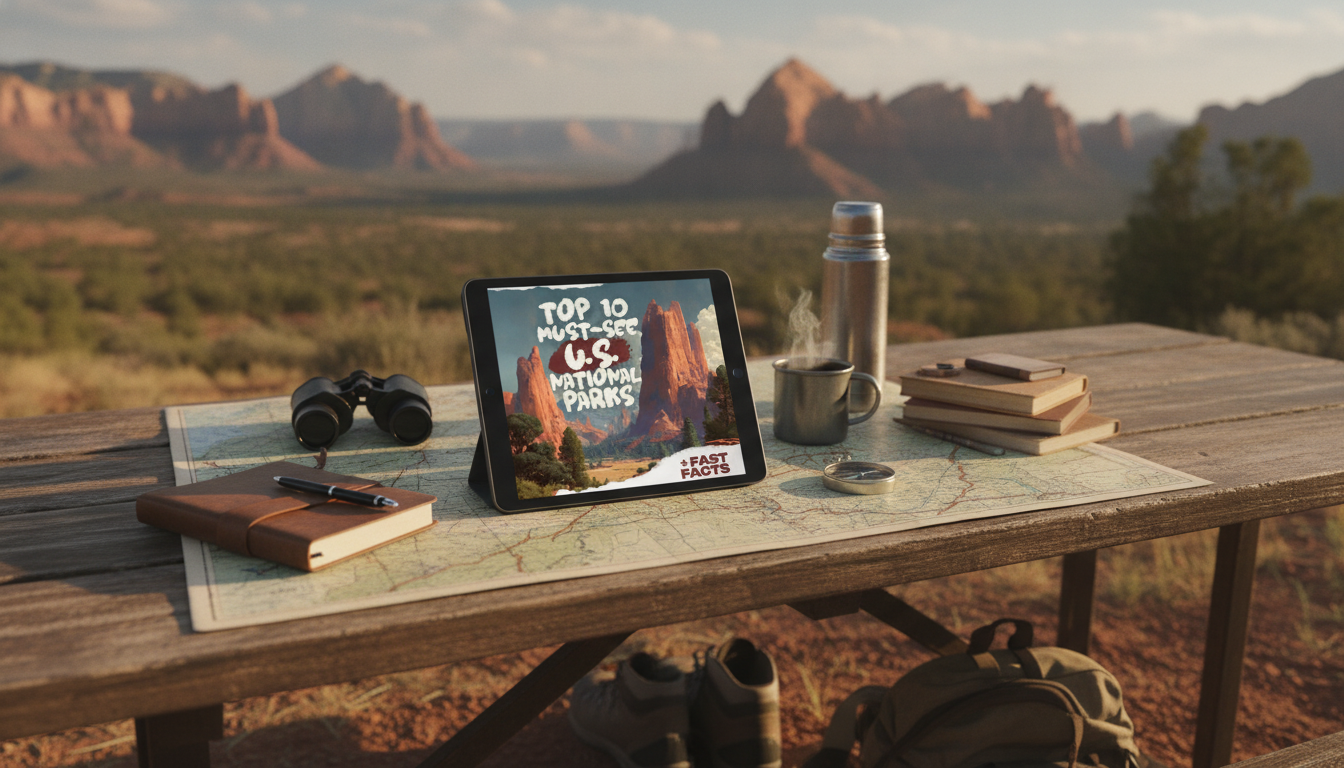
When you’re juggling park alerts, trail options, and “what’s doable today,” a portable reference helps keep decisions simple. The Top 10 Must-See U.S. National Parks + Fast Facts | Digital Travel Guide eBook is a quick, phone-friendly companion for short-listing parks, dialing in seasons, and keeping key notes accessible while you travel.
FAQ
What’s the best time of year to visit most U.S. national parks?
Spring and fall tend to balance comfortable temperatures with lighter crowds. High-elevation parks often have a shorter summer access window, while desert parks are usually best in cooler months—always verify seasonal road openings before you book.
Do national parks require reservations or timed entry?
It depends on the park, the season, and sometimes the specific corridor or parking area. Check the official park site close to your travel dates for current timed-entry rules, shuttle details, and any day-use or permit requirements.
How many days are enough for a first trip to a major park?
For a first visit to one flagship park, 2–4 days is a practical range. Add time for larger parks, long in-park drives, and a buffer day if weather might disrupt a key hike or scenic road.















Leave a comment