Bamboo & Rattan Pendant Chandelier: Southeast Asian Glow
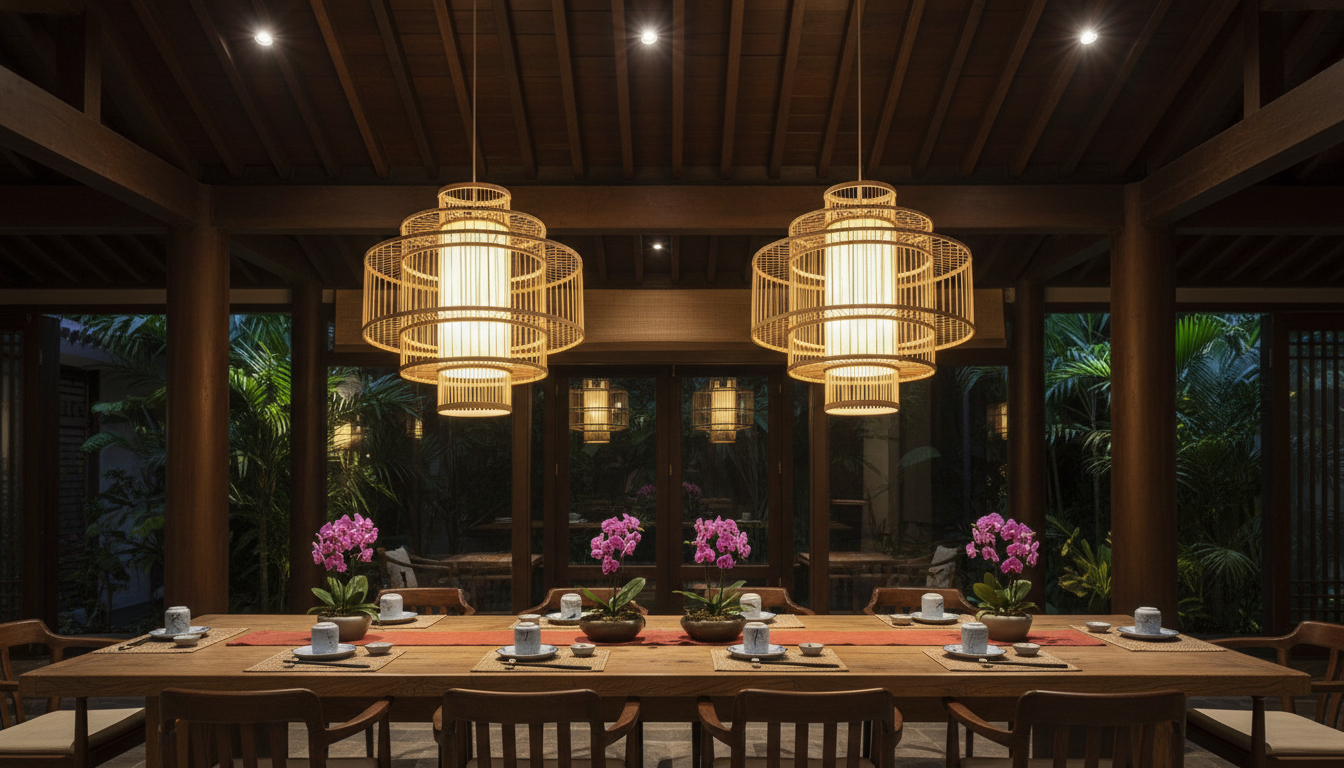
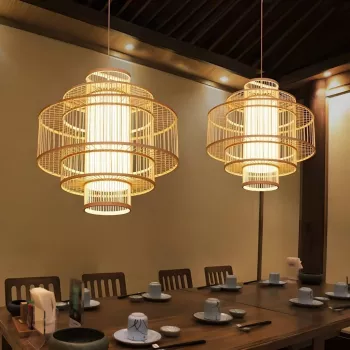
Southeast Asian-Inspired Bamboo and Rattan Pendant Chandelier
A bamboo and rattan pendant chandelier brings warm texture, soft filtered light, and a resort-like calm to everyday rooms. With woven natural fibers and an airy silhouette, this style pairs easily with modern, coastal, boho, and Japandi interiors while adding handcrafted character overhead.
What Makes a Bamboo and Rattan Pendant Chandelier Feel Southeast Asian-Inspired
The most recognizable detail is the weave: layered natural fibers that break up light into gentle, sun-dappled patterns across walls and ceilings. Many designs draw from basketry and lantern traditions found throughout coastal and tropical regions, which is why they often feel relaxed yet intentional—decorative, but never fussy.
Look for a shade that balances openness with structure. An open weave keeps the fixture visually light and helps the room stay bright, while a more defined frame gives the chandelier a grounded, sculptural presence. These pieces also tend to live in a nature-forward palette—honey bamboo, toasted rattan, warm sand tones—so they sit comfortably next to teak or oak, stone, linen upholstery, and accents in matte black or aged brass.
Best Places to Use It at Home
Bamboo and rattan chandeliers are versatile because they read as both lighting and decor. Their texture does a lot of the styling work, especially in rooms that lean minimal or neutral.
- Dining room: Centers the table and adds an intimate glow; especially easy to pair with wood tops and simple place settings.
- Kitchen island: Use one statement pendant for drama or a coordinated set for a long island; an airy weave helps keep sightlines open.
- Bedroom: Creates a relaxed canopy effect; pairs well with linen bedding, rattan nightstands, and warm dimmable bulbs.
- Entryway: Sets a calm, welcoming tone and makes a strong first impression without feeling visually heavy.
- Covered patio or sunroom: Only if rated for the environment; the natural texture reinforces an indoor-outdoor, tropical-living vibe.
Sizing and Hanging Height Guide
| Location | Typical bottom-of-shade height | Notes |
|---|---|---|
| Dining table | 30–36 in above tabletop | Center over the table; ensure sightlines stay clear across the table. |
| Kitchen island | 30–36 in above countertop | Use 2–3 pendants on long islands; keep equal spacing between fixtures. |
| Living room seating area | At least 7 ft from floor (or higher in traffic paths) | Avoid hanging low where people walk; place over a coffee table if used as a focal point. |
| Entryway/foyer | At least 7 ft from floor (higher for tall doors) | Center in the space; consider a longer drop for double-height foyers. |
| Bedroom | 7 ft from floor (or higher) depending on placement | Keep clear of headboard and ceiling fans; use dimmable lighting for evening comfort. |
Light Quality: Getting the Glow Right
The signature of woven lighting is softness. Choose warm-color bulbs for a hospitality-style ambiance; the natural fibers amplify warmth and make the room feel more settled at night. For flexibility, pair the chandelier with dimmable bulbs and a compatible dimmer so you can shift from practical brightness to evening mood lighting (UL offers guidance on dimmer and bulb compatibility at UL Solutions).
Because woven shades can reduce perceived brightness, consider slightly higher lumen output in kitchens or other task-heavy spaces. The U.S. Department of Energy’s overview of efficient lighting is a helpful reference when choosing LED output and color temperature (LED lighting basics). Finally, embrace the shadows: the patterning is part of the charm, so place the fixture where textured light adds depth rather than landing in a spot that feels visually busy.
Materials and Craft Details to Look For
- Bamboo frame integrity: Smooth ribs and clean joins help the shade keep its shape and read as refined instead of rustic.
- Rattan weaving consistency: Even spacing and tight weave points help prevent sagging and keep the silhouette crisp.
- Finish and protection: A clean seal can reduce dust absorption and make gentle cleaning easier over time.
- Hardware quality: A stable canopy, secure socket, and sturdy hanging method reduce wobble and improve long-term safety. For general electrical safety reminders, consult the NFPA.
Styling Ideas for Different Interiors
Care and Maintenance
Coordinating Pieces for a Collected Look
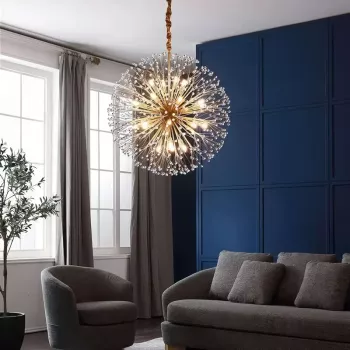
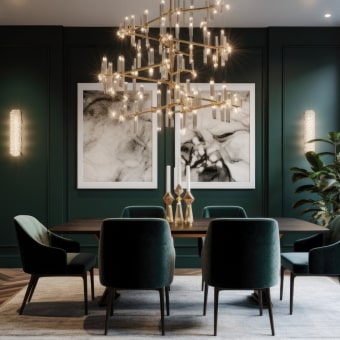
For a ready-to-style pairing, consider adding a natural seating piece near the chandelier, such as the Nordic Rattan Leisure Single Sofa Chair – Solid Wood, Modern Fabric Design. For a contrasting statement in a neighboring room (great for a dining room-to-foyer sightline), the Elegant Art Deco-Inspired Crystal Branch Chandelier for Dining Room adds reflective elegance while the woven pendant keeps the home grounded and relaxed.
Featured Picks
- Southeast Asian-Inspired Bamboo and Rattan Pendant Chandelier
- Elegant Art Deco-Inspired Crystal Branch Chandelier for Dining Room
- Nordic Rattan Leisure Single Sofa Chair – Solid Wood, Modern Fabric Design
FAQ
Does a rattan and bamboo chandelier provide enough light for a dining room?
Yes, but the weave naturally softens and diffuses the light, so bulb lumens matter. Choose an LED with sufficient output for your room and add a dimmer to switch between brighter meals and a softer after-dinner glow.
How high should a pendant chandelier hang above a dining table or kitchen island?
A common guideline is 30–36 inches from the tabletop or countertop to the bottom of the shade, then adjust based on ceiling height and comfort. If sightlines feel blocked or the room has taller ceilings, raise or lower the drop slightly to keep the look balanced.
How is a woven rattan chandelier cleaned without damaging the fibers?
Use dry methods first: microfiber dusting, a soft brush vacuum attachment, or gentle air to clear the weave. If spot-cleaning is needed, avoid saturating the fibers and let the shade dry completely; periodically check that hardware remains tight.









Leave a comment