Home Office Decor Ideas: Practical, Personal & Low-Maintenance
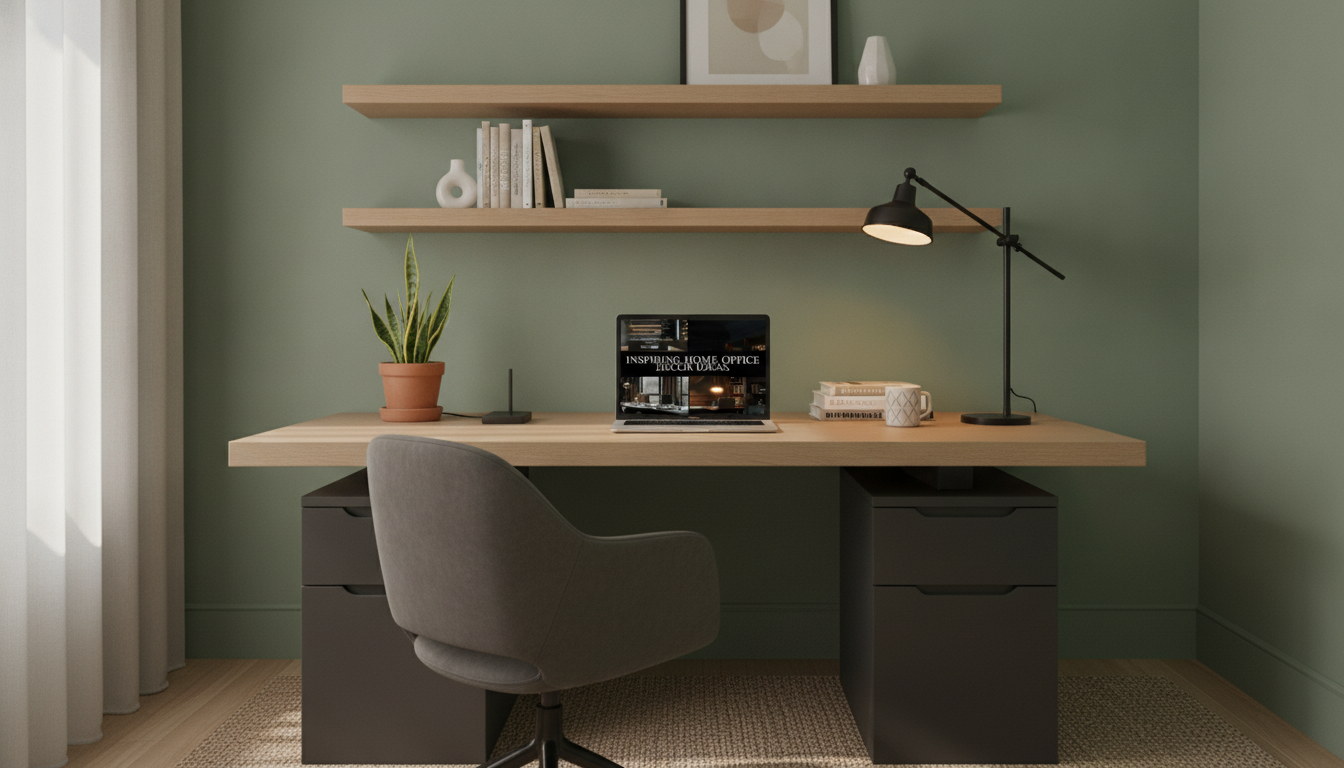
Inspiring Home Office Decor Ideas That Feel Practical, Personal, and Easy to Maintain
A home office works best when it supports focus, comfort, and a sense of identity. The most reliable upgrades aren’t the flashiest—they’re the ones that reduce daily friction, make the space feel intentional, and help a routine stick. Whether the setup is a dedicated room, a bedroom corner, or a compact nook, the goal is the same: a workspace that looks good and works even better.
Start With a Clear Goal for the Space
Before buying anything, decide what the space needs to do most often. Deep work calls for fewer visual distractions; frequent meetings benefit from a clean background and flattering lighting; creative projects need flexible surfaces and visible tools.
- Define the primary purpose: deep work, meetings, creative projects, studying, or a mix.
- Choose 2–3 non-negotiables: quiet, daylight, extra surface area, dual monitors, visible inspiration, or closed storage.
- Set a reset standard: a clear desktop at day’s end, chargers back in place, and tomorrow’s top task visible.
- Decide what lives within arm’s reach: daily tools on the desk; backups in drawers or a nearby cabinet.
- Pick a simple style direction: warm minimal, modern eclectic, classic, or nature-forward—then repeat a few elements consistently.
If you want a structured plan that turns ideas into a finished look, consider a step-by-step resource like the Inspiring Home Office Decor Ideas Guide – Digital Download.
Layout That Makes Work Feel Easier
Layout is the “silent” productivity tool. A small adjustment—like facing a calmer wall or keeping cords off the floor—can make the space feel noticeably easier to use.
- Place the desk to reduce distraction: a wall behind the monitor often cuts visual interruptions and makes video calls feel more polished.
- Create zones: a work surface, a storage zone, and a small recharge zone (tea tray, book, plant, or reading lamp).
- Maintain a clear path: cramped layouts subtly increase stress and make tidying feel harder than it should.
- Use vertical space: shelves, pegboards, or wall rails keep tools visible without crowding the desktop.
- Keep frequently used items in consistent spots: it reduces decision fatigue and prevents “where did I put that?” moments.
Color, Materials, and Texture That Support Focus
A calm base makes a workspace feel stable. Then you can layer in color through accents that are easy to swap as seasons, projects, or tastes change.
- Start with a calm base: whites, soft grays, and warm neutrals; add color in small, repeatable doses.
- Introduce texture for warmth: woven baskets, linen lampshades, wood trays, and a low-pile rug.
- Limit competing patterns: pick one “hero” pattern (rug, curtain, or art print) and keep the rest quieter.
- Repeat one material at least three times: wood, brass, matte black, or rattan to make the room feel cohesive.
- Avoid overly glossy finishes: especially near screens where glare becomes distracting.
Quick Decor Choices and the Effect They Create
| Decor element | Best for | Simple upgrade idea |
|---|---|---|
| Desk lamp | Reducing eye strain and late-day focus | Choose a warm, dimmable bulb and aim light across the desk (not into the eyes) |
| Wall art | Mood, motivation, and identity | Create a small gallery of 3 pieces in a consistent frame color |
| Storage baskets | Fast tidying and visual calm | Label 2–3 baskets: cables, notebooks, stationery |
| Plants or greenery | Softening the space and adding life | Start with a low-maintenance plant near natural light |
| Rug | Comfort and zone definition | Use a medium-size rug to anchor desk + chair area |
Lighting That Improves Comfort and Style
Lighting influences energy, comfort, and how “finished” a workspace feels. A single overhead fixture rarely does it all; layered lighting gives control throughout the day.
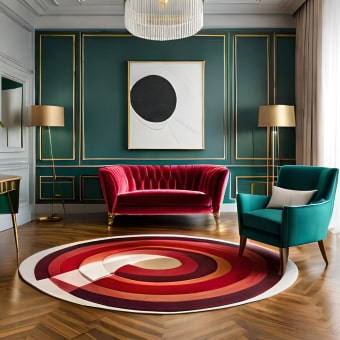
If your workspace shares an open-plan area and you want a true statement piece, a decorative fixture like the Elegant Art Deco-Inspired Crystal Branch Chandelier for Dining Room can visually “anchor” the zone—especially when kept balanced with simpler desk accessories.
Ergonomics With a Decor-Forward Approach
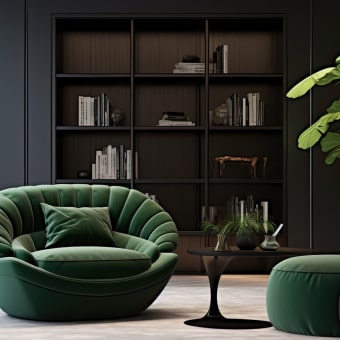
For a comfortable recharge corner that still looks elevated, a piece like the Nordic Rattan Leisure Single Sofa Chair – Solid Wood, Modern Fabric Design can create a dedicated reading or brainstorming spot without making the office feel crowded.
For workstation setup guidance, the CDC’s ergonomics resources are a solid reference: NIOSH – Computer Workstations Ergonomics.
Personalization That Stays Clutter-Free
Stress can quietly undermine performance, so a calmer visual environment is more than aesthetics. For background on how stress affects performance, see: American Psychological Association – The impact of stress on performance and health.
Organization That Looks Good and Works Daily
Routines stick best when they’re small and repeatable. For habit-building ideas, see: Harvard Health Publishing – Creating healthy habits and routines.
Simple Upgrade Paths for Different Budgets
FAQ
What are the easiest decor changes that improve focus fast?
Layered lighting, a cleared desktop, and a simple storage system deliver the fastest payoff. Start with a calm base palette and limit accents so the room feels visually quieter while you work.
How can a small home office feel more spacious without remodeling?
Use vertical storage, keep fewer items on the desk, and stick to a lighter color palette for a more open feel. A mirror or reflective accent can help when used sparingly, and a rug or shelf can define zones without adding bulk.
What should be prioritized first: decor or ergonomics?
Prioritize ergonomics first—chair comfort, monitor height, and glare-free lighting—then style around those essentials. When the core setup feels good, the decor choices are easier to keep cohesive.










Leave a comment